- rowlant@gmail.com
- London
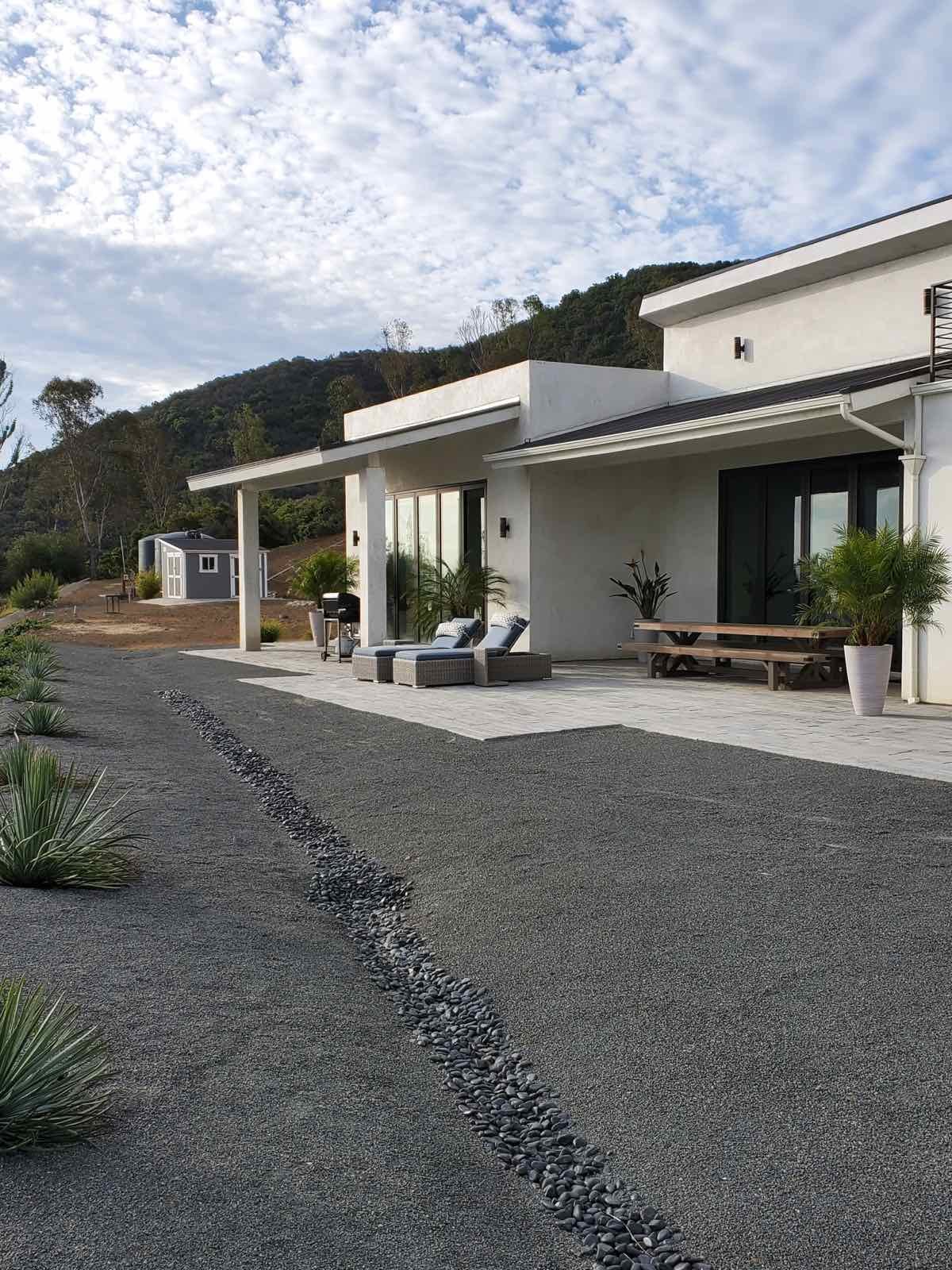
Building a new home can seem daunting, with challenges ranging from securing financing and hiring a builder to picking finishes and closing the deal. This potential hassle might even deter you from considering a brand-new house. However, modular homes offer a perfect balance between new construction and accessibility. If you’re exploring the idea of a modular home or an ADU, here’s what you need to know about financing.
Traditional financing options for both modular homes and ADUs are typically based on your home equity, household income, savings, and creditworthiness.
Because modular homes are built on a permanent foundation, they are considered real property. This means you can finance a modular home with a traditional mortgage, just like any other house.
Accessory Dwelling Unit (ADU) loans can finance your ADU, whether you call it an in-law unit, granny flat, backyard apartment, or secondary dwelling unit. These loans can significantly increase your home's value. While the average cost of an ADU can range from $100,000 to $300,000, keep in mind that rental income for ADUs in California can range from $1,900 to $2,300 per month for a two-person family, offering a substantial return on investment.
When it comes to modular home financing, several loan options can help you secure the funding you need. These include:
If you're building a new modular home, you'll need a construction loan. If the land isn't already acquired, a land loan will also be necessary. Be aware that construction loans often require higher down payments.
Utilize the equity in your existing home to fund your modular project or ADU.
The Federal Housing Administration (FHA) offers mortgages for modular homes. These generally require a minimum down payment of 3.5% for homes affixed to a foundation.
For eligible homebuyers in rural areas, USDA loans from the U.S. Department of Agriculture can be an option. These loans sometimes allow for no down payment and may cover both the home and the necessary land.
Qualifying military connections can allow homebuyers to purchase a modular home with as little as 0% down through VA loans.
Home Equity Line of Credit (HELOC) lets you borrow against your home's equity, offering a revolving line of credit up to a set limit. With HELOC, you only pay interest on the amount of cash you've actually drawn, typically over a period of up to 10 years.
A cash-out refinance allows you to access the equity built up in your home to finance your ADU's construction. This involves refinancing your existing first mortgage for a larger amount, and you receive the difference in cash.
Freddie Mac allows the financing of properties with ADUs through all their mortgage offerings, providing flexibility for borrowers to finance, refinance, or build an ADU. Rental income from an ADU can even be used as qualifying income if specific requirements are met.
The California Department of Housing and Community Development (HCD) provides a list of state grants and financial incentives for ADUs with affordable rent for very low to moderate-income households. Examples include
CalHome Program — State funds to local public agencies and nonprofit corporations for first-time homebuyer mortgage assistance including a home purchase with an ADU or JADU
San Diego Housing Commission ADU Finance Program — The program provides financial assistance in the form of construction loans (up to $200,000) and technical assistance (at no cost to the homeowner) that helps homeowners understand and complete the process of building an ADU.
City of Clovis: ADU Finance Program — Provides financing to eligible property owners seeking funding to build or repair ADUs on their existing single-family lot in the City of Clovis.
Santa Cruz County: ADU Forgivable Loan Program — Offers forgivable loans up to $40,000 to homeowners who rent ADUs to low-income households at affordable rents for up to 20 years.
San Mateo County: One Stop Shop Program — Provides no-cost support from Hello Housing with the design, permitting, and project management involved with building an ADU.
Monterey Bay: My House My Home Program — Creates affordable ADUs for low-income senior homeowners in the Monterey Bay area.
City of San Jose: Accessory Dwelling Unit Program — Provides pre-approved ADU plans and support for ADU construction.
City of Chico ADU Program — Provides pre-approved ADU plans and support for ADU construction.
Housing Trust Silicon Valley — Provides funding to support homeownership, rental housing, development financing, and offers programs for homeowners.
As you move through the modular home purchase process, here are the typical loan requirements you’ll encounter:
While lenders often prefer good credit, many are willing to work with prospective modular home buyers who may not have a perfect score. For instance, the USDA does not have a minimum credit score requirement.
A 20% down payment isn't always necessary. In fact, some loan programs require no down payment at all.
You'll need to demonstrate enough income to comfortably cover your loan payments.
Most lenders set a maximum DTI ratio, typically around 43%, though this can vary. If your DTI is high, consider paying down other debts before applying for a home loan.
Choose RDC for your next home and experience the superior quality of our modular homes. Regardless of whether you choose a predesigned or custom plan, every RDC home benefits from our specialized approach. We provide comprehensive services to bring your dream home to life.
At RDC, we understand that financing your dream home is a significant step. That’s why we have partnered with a trusted lender to offer flexible and competitive financing options. Our team will guide you through the application process, ensuring you find a plan that fits your budget and timeline. If you have a preferred lender, we would be happy to work with them on a financing solution for your Modular Home. Whether you’re opting for traditional loans, modular home-specific financing, or government programs, we’ll help every step of the way.
Our design team works closely with you to create a home that reflects your unique style and needs. Whether you prefer modern aesthetics, classic charm, or something completely custom, we offer a diverse range of design options. Collaborate with our team to select layouts, materials, finishes, and features tailored precisely to you. Our modular homes are designed for ultra-efficiency. Features include multi-zone climate control, heat pump water heaters, pre-wiring for solar and battery upgrades, so you're ready for the future.
Precision engineering is at the heart of every modular home we build. Our team of experts will ensure your home is structurally sound, code-compliant, energy-efficient, and built to withstand the test of time. Our engineering services cater to both residential and commercial projects, with a focus on innovation and safety.
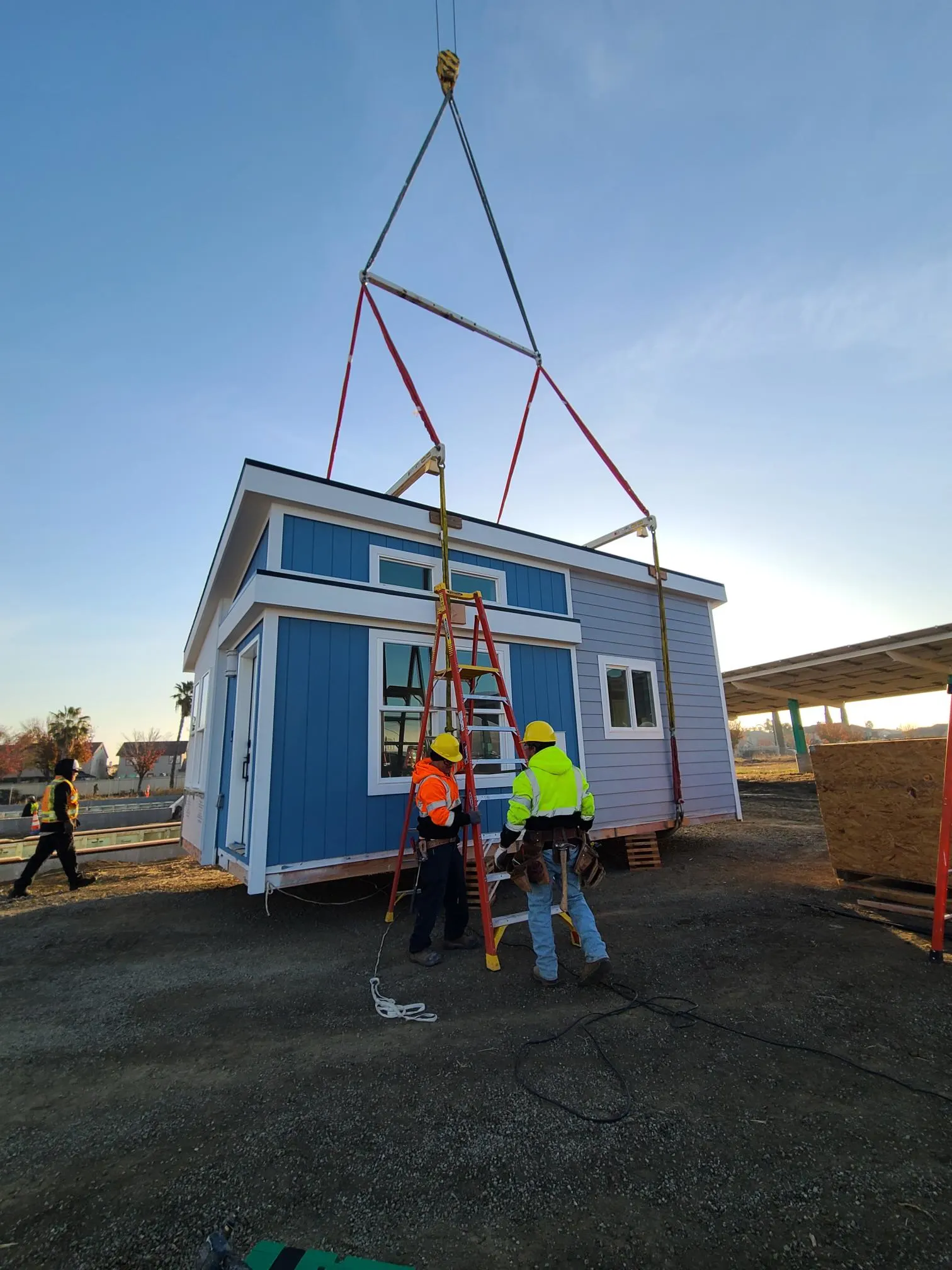
Our modular homes are constructed within a climate-controlled factory environment, ensuring consistent quality and reducing waste. Once completed, we handle the transportation and on-site installation, ensuring everything is set up seamlessly. This streamlined process reduces construction time and minimizes disruption to your schedule.
From single family homes and ADUs to entire neighborhoods, our modular approach provides unmatched flexibility in design, energy efficiency without sacrificing style or durability. We handle the entire process, from design to final inspection and certificate of occupancy, delivering a turnkey solution for all your development needs.
Modular home financing is similar to other construction projects, but it’s crucial to work with a lender familiar with modular construction lending. Payment terms for modular projects are often shorter and more front-loaded due to the rapid construction timeline.
Our team can connect you with our preferred lending partner who deeply understands the nuances of modular lending. They have funded thousands of modular projects, ensuring you’re in expert hands. Please ask your sales associate for more information on financing if needed.