- rowlant@gmail.com
- London

0
+
Skilled Architects
Building your dream home should be an exciting journey, not a stressful one. We’ve refined our ordering process into clear, manageable steps, guiding you from initial concept to move-in day.
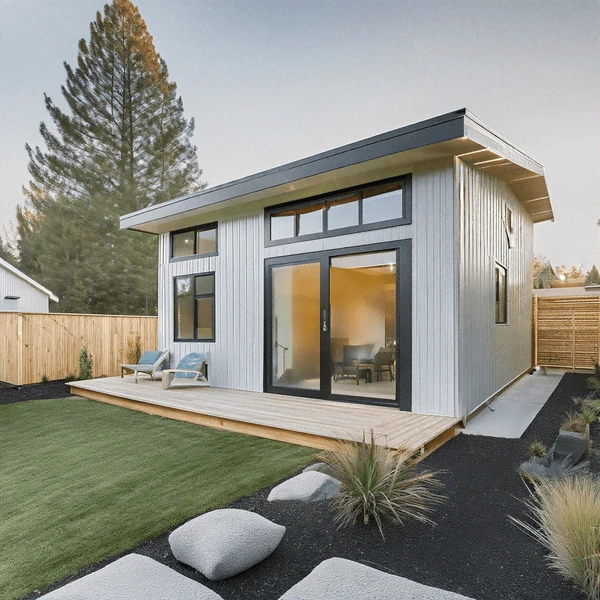
Start by selecting your ideal home. You can either pick from our collection of predesigned floor plans or opt for a custom floor plan to be tailored to your vision. If you choose a custom plan, an architect experienced in modular design and construction will ensure it meets your specific needs and adheres to all building codes.
Some sites require a feasibility study to assess their suitability for modular construction. We'll help you determine if this step is necessary for your property.
Let's ensure your project is financially sound. We'll work with you to confirm your budget aligns with your chosen design and help you understand the financing options available. Lender approval is a key step here, ensuring your project can move forward smoothly.
This is where your personal style shines! Browse our catalog to pick your finishes and upgrades, from flooring to fixtures. Your salesperson will be on hand to assist you in finalizing these selections and determining the complete cost of your modular home.
Once all details are confirmed and you're happy with your choices, you'll sign the contract, officially kicking off your home-building journey.
We take your approved plans and begin the meticulous engineering process. This includes essential calculations for energy efficiency ("Title 24"), structural integrity for both your modular home and its foundation, and fire sprinkler designs. This phase typically takes about six weeks. Afterward, we'll submit your plans for state approval, a review process that usually takes four to six weeks, culminating in stamped approval of your plans.
With your local permits in hand, two exciting things happen simultaneously: the factory begins constructing your modular home (a process that typically takes about twelve weeks), while your hired contractor starts preparing your site.
Watch your home site transform before your eyes! From a prepared foundation to a fully assembled custom home, the final stages are swift. After all on-site work is completed and passes inspection, a final inspection by the local building inspector will be performed. Upon successful completion of this final inspection, the local building authority will issue your Certificate of Occupancy, which is required before you can legally move into and occupy your new modular home. Your new home will be ready for you to move in approximately 30 days after delivery.
We at RDC look forward to guiding you through this process and building you the home of your dreams. Contact us Today!

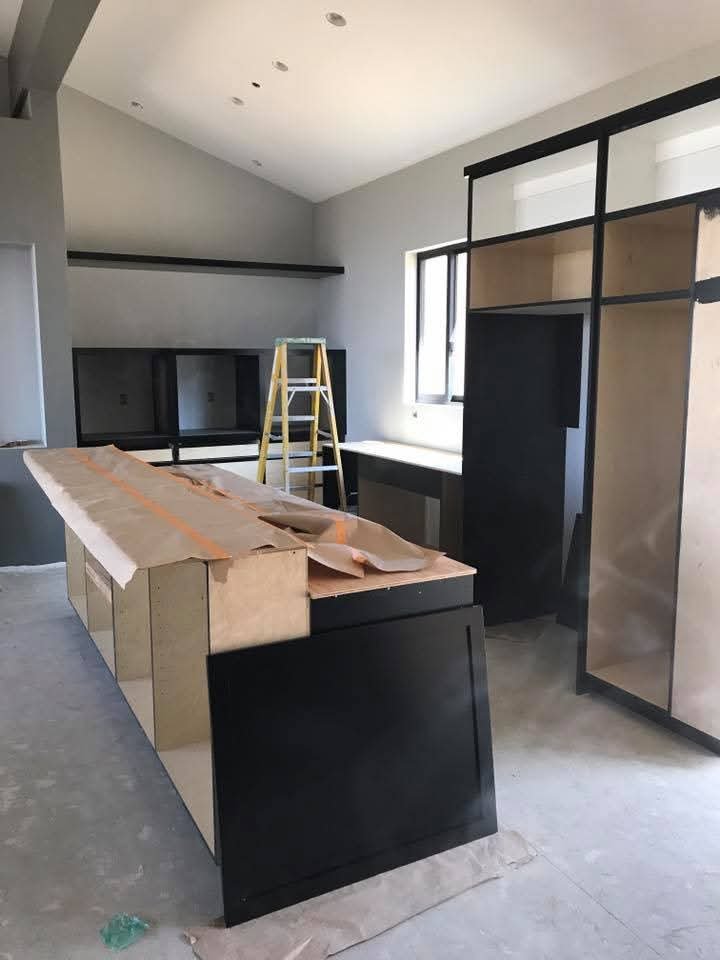
Building your dream home should be an exciting journey, not a stressful one. We’ve refined our ordering process into clear, manageable steps, guiding you from initial concept to move-in day.
Start by selecting your ideal home. You can either pick from our collection of predesigned floor plans or opt for a custom floor plan to be tailored to your vision. If you choose a custom plan, an architect experienced in modular design and construction will ensure it meets your specific needs and adheres to all building codes.
Utilize the equity in your existing home to fund your modular project or ADU.
The Federal Housing Administration (FHA) offers mortgages for modular homes. These generally require a minimum down payment of 3.5% for homes affixed to a foundation.
For eligible homebuyers in rural areas, USDA loans from the U.S. Department of Agriculture can be an option. These loans sometimes allow for no down payment and may cover both the home and the necessary land.
Qualifying military connections can allow homebuyers to purchase a modular home with as little as 0% down through VA loans.
RDC is committed to excellence and lasting quality for every project.
Expert advice offered at no cost to help you plan and realize your development and design goals clearly.
Our team is ready around the clock to support your project requests.
To help you navigate the world of modular homes, we’ve organized answers to your most common questions about building with modular homes into easy-to-understand sections: General Questions, Financing Options, Building Process and On-Site Installation.
A modular home is a house built in sections at a factory, then transported to the building site and assembled on a permanent foundation. These homes are built to the same state and local building codes as traditional site-built homes.
While both are built in a factory, their key differences lie in their construction codes and permanence.
Modular homes are constructed to the same state and local building codes as traditional site-built homes and are installed on a permanent foundation. This makes them a permanent part of the real estate.
Manufactured homes, on the other hand, are built to federal HUD Code regulations. They come in various sizes (single, double, and triple-wide) and are typically placed on a non-permanent chassis, making them more easily transportable. Although some models can be placed on a permanent foundation or even a basement, they retain the ability to be relocated with the help of an experienced contractor if not permanently affixed.
Often, yes. Modular construction can offer significant cost savings due to efficiencies in the factory setting, reduced weather delays, and bulk purchasing of materials. While the initial "per square foot" price might seem similar, the overall project cost can be lower due to faster completion times and reduced labor costs on-site.
Absolutely. Modular homes are built to withstand the rigors of transportation and craning, which means they are often more structurally sound than many site-built homes. They are built to the same, or even stricter, building codes as traditional homes and undergo rigorous quality control inspections throughout the factory build process.
Yes, extensively! Modern modular homes offer an incredible degree of customization. You can choose from a wide range of floor plans, exterior finishes, interior designs, fixtures, and more. Many companies, like RDC, specialize in custom modular homes, allowing you to design your dream home from the ground up.
The construction timeline is significantly shorter than traditional site-built homes. While site preparation and foundation work are underway on your property, your home is being built simultaneously in the factory. Once on-site, assembly can take just a few days, with final finishing typically completed within a few weeks to a couple of months. The entire process, from design to move-in, is often much faster than conventional construction.
Yes, your modular home typically includes a 10-year manufacturer's warranty. Any additional warranty can be purchased for the home and the appliances that come with the home.
Financing for modular homes is very similar to financing for traditional site-built homes. Many conventional lenders offer construction loans that transition into mortgages upon completion. We can connect you with lenders experienced in modular home financing.
The financing options for modular homes and manufactured homes differ significantly due to their legal classification and construction standards.
Modular Homes: Since modular homes are built to the same state and local building codes as traditional site-built homes and are permanently affixed to a foundation, they generally qualify for the same types of financing. This includes:
Manufactured Homes: Financing for manufactured homes can be more varied, depending on whether the home is classified as real property (permanently affixed to land you own) or personal property.
It's important to discuss your specific situation with lenders experienced in both modular and manufactured home financing to understand the best options available to you.
Yes, you will need to own a piece of land suitable for building. We can help you understand the requirements for your specific site, including access for transportation and utility hookups.
Just like a traditional home, your modular home will need to be connected to local utilities. This is part of the site preparation phase, and our team can guide you on the necessary steps and requirements.
Yes, and they can be designed to meet strict fire-resistant building codes. Our engineering process includes required fire sprinkler designs and calculations to ensure your home meets all safety regulations, especially critical in regions like California.
"Title 24" refers to California's Energy Efficiency Standards for Residential and Nonresidential Buildings. It's crucial for your modular home as it ensures your new home meets rigorous energy efficiency requirements, leading to lower utility bills and a more environmentally friendly footprint. Our engineering process includes all necessary Title 24 calculations.
Once your modular home plans and engineering calculations (including structural and fire sprinkler designs) are complete, we submit them to the state for approval. This process typically takes four to six weeks. The state-approved plans supersede local building department authority, streamlining the permitting process and preventing local "redlines" or change requests.
With state-approved plans, the local building department cannot request changes or "redline" your blueprints. This eliminates common delays and frustrations associated with traditional local permitting processes, which can often drag on for an extra year due to repeated corrections and reviews. State approval means your plans are finalized and ready for swift local permitting.
While we handle the engineering and state approval process for the home itself, you will still need to secure local permits for site work, utilities, and foundation. However, with state-approved home plans, this local permitting process is significantly simplified and faster.
Overall, from contract signing to move-in, a modular home typically takes between 4 to 7 months, significantly less than the 9-12+ months often required for traditional homes. Here's a quick overview of key timelines in your modular home build:
While it's always easier and less costly to finalize your design before state approval, minor changes can sometimes be made after.
It's highly recommended to thoroughly review and finalize your design with your architect and builder before the state approval process begins to avoid potential delays and additional expenses.
The core difference lies in when and where the major inspections occur:
In essence, modular homes benefit from a dual inspection process that often results in a more streamlined and efficient on-site inspection phase.
The installation of a modular home involves several key steps after the home modules arrive at your building site. This typically includes craning the modules onto the prepared permanent foundation, precisely joining the sections together, weatherproofing the exterior seams, and completing all interior finish work where the modules connect.
Transportation is typically handled by the factory; this will be a separate charge based on mileage.
Your modular home will be installed by a licensed general contractor.
The initial "set" of the modules (crane work and joining) can often be completed in just one to three days, depending on the size and complexity of the home. After the modules are set, the remaining finish (“button-up”) work, utility connections, and final inspections can take anywhere from a few weeks to a couple of months. The overall on-site timeline is significantly shorter than for a traditional site-built home.
Modular homes require a permanent, engineered foundation, just like traditional site-built homes. This can include:
Site preparation and foundation construction are typically handled by local contractors. We can often recommend trusted local partners who are experienced with modular home projects. This work occurs concurrently with the factory construction of your home, ensuring efficiency.
The finished modules are carefully transported from the factory to your building site on specialized flatbed carriers. This requires careful planning for routes and access, especially for larger homes. Our team coordinates logistics to ensure smooth delivery.
Upon arrival, a specialized crane is used to lift each module off the transport carriers and precisely place it onto the prepared foundation. Experienced installation crews then begin the process of securely joining the modules together.
Once the modules are joined, the exterior and interior seams are seamlessly finished by skilled craftsmen. On the exterior, siding, roofing, and trim are installed to cover the connection points. Inside, drywall, flooring, and paint are applied to ensure a continuous and integrated appearance, making it virtually impossible to tell where the modules were joined.
Connecting the home to local utilities (water, sewer/septic, electricity, and gas) is part of the on-site finishing process. This work is typically performed by licensed local contractors in conjunction with the home builder to ensure all connections are up to code and fully functional.
Yes, absolutely. Inspections are a critical part of the modular home installation process. Just like traditional homes, modular homes undergo various inspections by local building authorities during the on-site installation and finishing phases. These inspections ensure that the foundation, utility connections, and all other on-site work meet local building codes and safety standards.
It's important to note that while the core structure of the modular home is typically state-approved (as it's built in a factory setting under controlled conditions and inspected there), these local inspections specifically focus on the site-specific work. This includes everything done once the modules arrive at the building site, such as:
After all on-site work is completed and passes inspection, a final inspection by the local building inspector will be performed. Upon successful completion of this final inspection, the local building authority will issue your Certificate of Occupancy, which is required before you can legally move into and occupy your new modular home.
Landscaping, driveways, decks, and other exterior finishes are typically completed after the home itself is installed and fully connected. These elements are part of your overall site development plan and can be coordinated with your chosen contractors.
Our architectural expertise combines innovation and precision to deliver visionary buildings that perfectly fit your needs and dreams.
From concept to completion, we integrate sustainable materials, smart design, and modern technology to create exceptional structures tailored for functionality, beauty, and lasting value.
To help you navigate the world of ADUs, we’ve organized answers to your most common questions about building with modular ADUs into easy-to-understand sections: General Questions, ADU Building Process, ADU Financing Options, and Installation of Modular ADU.
An Accessory Dwelling Unit (ADU), often called a "granny flat," "in-law unit," "backyard cottage," or "secondary unit," is a smaller, independent residential dwelling unit located on the same lot as a proposed or existing primary single-family or multi-family home. ADUs provide complete independent living facilities, including a kitchen, bathroom, and sleeping area.
ADUs offer a wide range of benefits for homeowners in California, including:
A JADU is a smaller unit, typically no more than 500 square feet, that is created within the existing walls of a single-family home. JADUs must include an efficiency kitchen but can share sanitation facilities (bathroom) with the main dwelling. ADUs, on the other hand, can be attached to or detached from the main home and must have their own complete independent living facilities, including a full kitchen and bathroom.
Thanks to recent state laws, ADUs are now permitted on most residential properties in California. However, local regulations can still vary regarding size, setbacks, and other specific requirements. It's crucial to check with your local city or county planning department for the exact rules applicable to your property.
The ADU construction process generally includes:
State law sets general guidelines:
In many areas of California, if your property is within half a mile of public transit, additional parking is NOT required for an ADU. Otherwise, local ordinances may still require one parking space per ADU, depending on the location and property layout.
The timeline can vary based on the complexity of the project, local permitting efficiency, and chosen construction method. Generally, from initial design to move-in, an ADU project can take anywhere from 6 to 18 months, with permitting often being the longest phase. Utilizing pre-approved plans or modular construction can significantly reduce the overall timeline.
The overall time to build a modular ADU in California can vary, but it's generally significantly faster than traditional stick-built ADUs, primarily because much of the construction happens off-site in a factory while site work occurs simultaneously.
Here's a breakdown of the typical timeline:
Here are the key phases and their estimated durations:
Factors that can affect the timeline:
By choosing a modular ADU, you're primarily gaining efficiency in the construction phase itself, significantly reducing the overall project duration compared to starting from scratch on-site.
Financing an ADU can be approached in several ways, often leveraging your existing home's equity:
Qualification criteria vary by lender and loan type, but generally include:
We recommend consulting with a financial advisor or a lender specializing in ADU financing to explore the best option for your specific situation.
To help you navigate the world of ADUs, we’ve organized answers to your most common questions about building with modular ADUs into easy-to-understand sections: General Questions, ADU Building Process, ADU Financing Options, and Installation of Modular ADU.
Significant site preparation is required before your modular ADU can be delivered. This typically includes:
What kind of foundation does a modular ADU require?
Modular ADUs require a permanent, engineered foundation that meets local California building codes, just like a traditional stick-built home. Common options include:
Yes, absolutely. While the modular ADU itself is typically state-approved in the factory, you will need separate local permits for all on-site work. This includes permits for:
Modular ADUs are built in sections (modules) at a factory and then transported to your property on specialized flatbed trucks. Depending on the size of the unit, it may arrive as a single module or multiple sections. Careful planning of the transportation route and site access is crucial.
"Set day" is the most dramatic part of the installation! Once the modules arrive, a large crane is used to lift each section from the transport truck and carefully place it onto the prepared foundation. Highly skilled installation crews then precisely align and secure the modules together. This process typically takes one to three days, depending on the ADU's size and complexity.
Once placed on the foundation, the modules are securely bolted and welded together. Then, the exterior and interior seams are completed. On the exterior, siding, roofing, and trim are applied to make the entire structure appear seamless. Inside, drywall, flooring, and paint are installed over the connection points, creating a finished, continuous interior space that looks just like a traditional home.
Licensed local contractors handle the connection of all utilities (water, sewer/septic, electricity, and gas) from your main property lines to the newly installed modular ADU. This is a critical step that occurs after the modules are set and joined.
While much of the finish work is completed in the factory, some elements, especially where modules connect, are finalized on-site. This includes:
Once the ADU is set, connected to utilities, and finish work is underway, local building department inspectors will conduct a series of on-site inspections. These inspections ensure:
After the initial "set" (1-3 days), the remaining on-site finish work, utility hookups, and inspections can take anywhere from a few weeks to a couple of months. This timeline is still significantly faster than building an ADU from scratch with traditional methods, as the majority of the construction is completed in the factory.
No. Modern modular ADUs are built to blend seamlessly with existing homes and neighborhoods. With high-quality finishes, customizable exteriors, and the lack of visible seams after installation, it's virtually impossible to distinguish a well-installed modular ADU from a traditional stick-built one.
Accessory Dwelling Units (ADUs) and Junior Accessory Dwelling Units (JADUs) serve as an innovative and effective means of expanding housing options.
An Accessory Dwelling Unit (ADU) is a self-contained residential unit, either attached or detached, that offers complete living facilities for one or more people. It's situated on the same property as an existing or planned primary residence and includes permanent provisions for living, sleeping, eating, cooking, and sanitation.
California continues to lead the nation in streamlining the development of Accessory Dwelling Units (ADUs) – often known as “granny flats” or “backyard cottages” – as a vital strategy to combat its persistent housing crisis. With significant legislative updates taking effect in 2025, homeowners now have even more flexibility and fewer hurdles when it comes to adding these valuable secondary living spaces.
This comprehensive guide will break down the key state-level regulations governing ADUs and Junior ADUs (JADUs) in California, highlighting the most impactful changes for homeowners looking to expand their property’s housing capacity.
Before diving into the regulations, it’s helpful to understand the distinction between the two primary types of accessory units:
State law generally limits side and rear setbacks for ADUs to a minimum of four feet. New provisions also make it easier to build an 800 sq ft ADU even if it doesn't meet front setback requirements, ensuring that lot size or existing conditions don't entirely preclude ADU development.
One of the most significant relaxations in ADU regulations concerns parking. In many scenarios, no additional parking is required for ADUs, particularly if:
A permanent and highly impactful change as of January 1, 2025, is the indefinite prohibition on local agencies imposing owner-occupancy requirements for ADUs. This means homeowners are no longer required to live in either the primary residence or the ADU to rent out the ADU, significantly increasing investment opportunities and housing availability. The only exception remains for properties with both an ADU and a JADU, where owner-occupancy of either the main residence or the JADU is still required by JADU law.
To ensure ADUs primarily serve as long-term housing solutions, California state law limits ADU rentals to a minimum of 30 consecutive days. Local governments may have additional regulations on short-term rentals beyond this state baseline.
Local agencies are mandated to approve or deny ADU permit applications within a brisk 60 days. If an application is denied, a comprehensive list of comments must be provided, allowing the applicant to address the issues. Crucially, if a city or county fails to meet this 60-day deadline, the permit is automatically deemed approved. ADU applications must also be approved ministerially, without the need for discretionary review or public hearings, provided they meet state and local standards.
Fire sprinklers are generally not required for the primary dwelling when constructing an ADU, unless the primary residence already has a sprinkler system installed. However, newly constructed ADUs may still be subject to fire protection standards related to water supply and fire department access.
A groundbreaking change allowing homeowners to potentially sell their ADUs separately from the main residence, treating them like condominiums. Assembly Bill 1033 (AB 1033), effective January 1, 2024, enables cities and counties to adopt ordinances permitting this. While a significant step towards increasing affordable homeownership options, its implementation depends on local government adoption, meaning it's not universally available across all jurisdictions yet.
For the thousands of existing, unpermitted ADUs across California, Assembly Bill 2533 (AB 2533), effective January 1, 2025, provides a clearer pathway to legalization. This legislation makes it easier for homeowners to bring non-compliant units up to code if they were built before January 1, 2020. Local building departments are required to approve legalization if the unit meets health and safety standards, without imposing excessive fees or penalties.
To further simplify and expedite the ADU development process, Assembly Bill 1332 (AB 1332) requires all California cities and counties to establish a program for pre-approved ADU plans by January 1, 2025. These plans, already vetted for compliance, aim to reduce design costs and streamline permitting for homeowners choosing from these standardized options.
While California’s state laws provide a powerful framework for ADU development, it’s paramount to remember that individual cities and counties may have their own ordinances that can further refine or, in some cases, relax these rules, provided they remain compliant with state law.
The landscape of ADU legislation in California is dynamic and continuously evolving. Homeowners considering an ADU project are strongly advised to consult with their local planning department, an experienced architect, or a qualified ADU builder who is well-versed in the most current regulations specific to their jurisdiction. This proactive approach will ensure your project adheres to all applicable codes and proceeds as smoothly as possible.
For the most up-to-date and detailed information, please refer to the official sources:
Designing with intent—our strategic solutions reduce costs while maintaining top-tier quality and design excellence
We provide innovative architectural services tailored to your needs with efficiency, precision, and sustainable outcomes in every phase.
We deliver impactful, sustainable design solutions that earn lasting trust and recognition from clients across the world.

CEO Bciaga
We appreciated their dedication to quality and timeless design. Every stage was handled with professionalism and architectural expertise we could trust.

Founder ArchEdge
From planning to execution, their architectural team impressed us. Functional spaces, beautiful layouts, and great collaboration throughout the project.

Director BuildSpace
Their design process was thoughtful, efficient, and tailored to every detail. The results exceeded our expectations and brought our vision to life.